
In 2006, New Zealand skipper Pete Bethune set out to do something no one had tried before—race a powerboat around the globe faster than anyone in history, without burning a drop of fossil fuel.
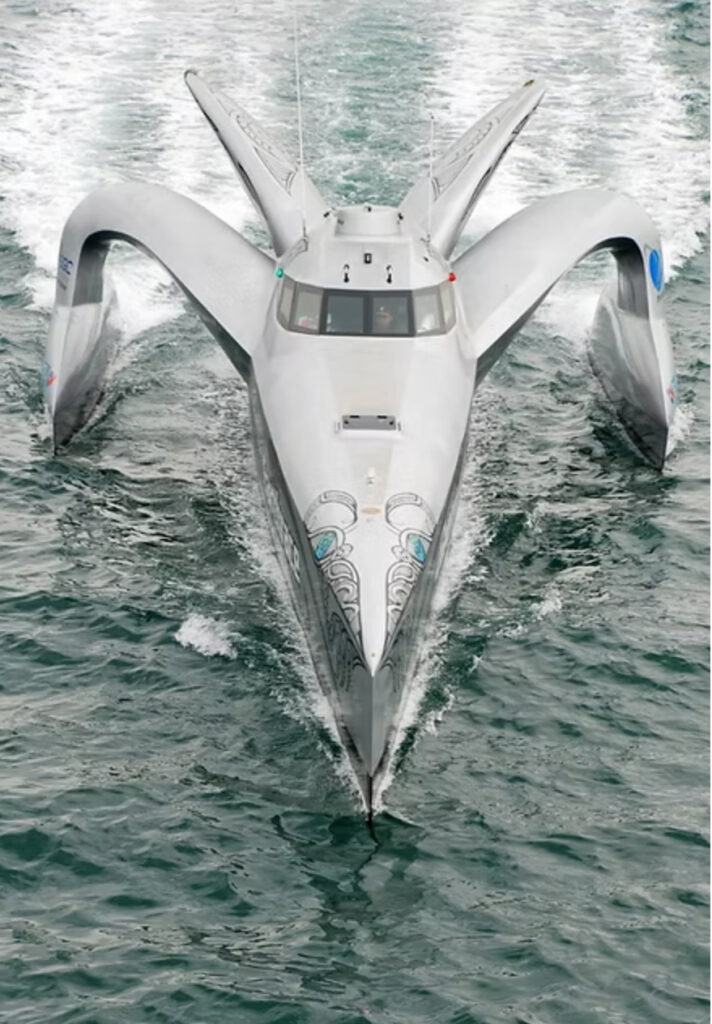
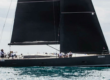
The boat that emerged from that vision was Earthrace, a 78-foot, wave-piercing trimaran that looked more like a futuristic fighter jet than a conventional powerboat.
LOMOcean in Auckland designed the hull with carbon fibre and Kevlar composites to reduce drag and boost seaworthiness, enabling the bow to cut through waves—even under heavy seas. This approach marked a significant shift from typical high-speed boat designs.
Powered by twin 540-horsepower Cummins MerCruiser diesel engines, but with a twist — they ran exclusively on biodiesel made from animal fats and vegetable oils. Bethune insisted on renewable fuel, even rejecting a $4 million sponsorship offer that would have required switching to petroleum diesel. His dedication to sustainability extended to the rest of the build: hemp composites, non-toxic paints, and a zero-carbon-footprint voyage plan.
The initial circumnavigation attempt in 2007 concluded unsuccessfully due to adverse monsoon conditions, mechanical issues, and a collision with a fishing vessel near Guatemala, which led the team to halt their effort. However, Bethune persisted, and in April 2008, Earthrace embarked on a subsequent journey, successfully completing the 23,497-nautical-mile course in 60 days, 23 hours, and 49 minutes—surpassing the earlier world record by more than 13 days.
Earthrace toured over 180 ports, attracting large crowds, before being acquired by the Sea Shepherd Conservation Society in 2009, renamed Ady Gil, and deployed to intercept Japanese whalers in Antarctica. Its mission ended in January 2010 after a collision with the Shōnan Maru No. 2 led to its sinking. Bethune noted the vessel succeeded in showing biodiesel’s potential and innovative marine design